As an Amazon Associate we earn from qualifying purchases. Here’s how it works.
There’s something about having plants inside a home that makes everything feel instantly more put together. It softens the space, adds life, and gives a room a feeling of intention. But keeping plants healthy? That’s the part that doesn’t always go as planned. Soil spills on countertops, pots dry out too fast, and suddenly a beautiful plant starts losing leaves for no obvious reason.
This is where hydroponics changes everything. Instead of trying to keep track of when to water, what soil to choose, or how much sunlight a corner gets, hydroponic gardening creates a fully controlled environment that plants absolutely thrive in. The entire process shifts from trying to keep a plant alive… to simply watching it grow.
If you’ve been curious about soilless gardening, want an easier way to grow herbs or greens indoors, or just want to turn a small apartment corner into something that feels intentional and fresh, hydroponic gardening is one of the best ways to get started. This post walks through everything beginners need—simple explanations, step-by-step instructions, and the most realistic approach to creating a beautiful, clean, low-maintenance indoor garden.
What Hydroponics Actually Means (And Why It’s Simpler Than It Sounds)
Hydroponics is just a modern way to grow plants. Instead of using soil, plants grow directly in nutrient-rich water, supported by a neutral growing medium such as clay pebbles or coco coir. Roots get exactly what they need—hydration, oxygen, and minerals—without competing with soil inconsistencies or dealing with pests.
The core idea is simple: Grow plants in water instead of soil.
When the roots sit in a perfectly balanced solution, they absorb nutrients much faster. That’s why hydroponic gardens often grow bigger, healthier, and faster than traditional gardens. And because everything is controlled—light, water levels, nutrients—it removes all the guesswork that usually makes gardening feel intimidating.
Hydroponics fits easily into modern living because it’s:
• clean
• compact
• beginner-friendly
• ideal for indoor gardening
• perfect for small apartment setups
• consistent year-round
It’s the type of system that just makes sense if you love plants but want something low-maintenance.
Why Beginners Love Hydroponic Gardening
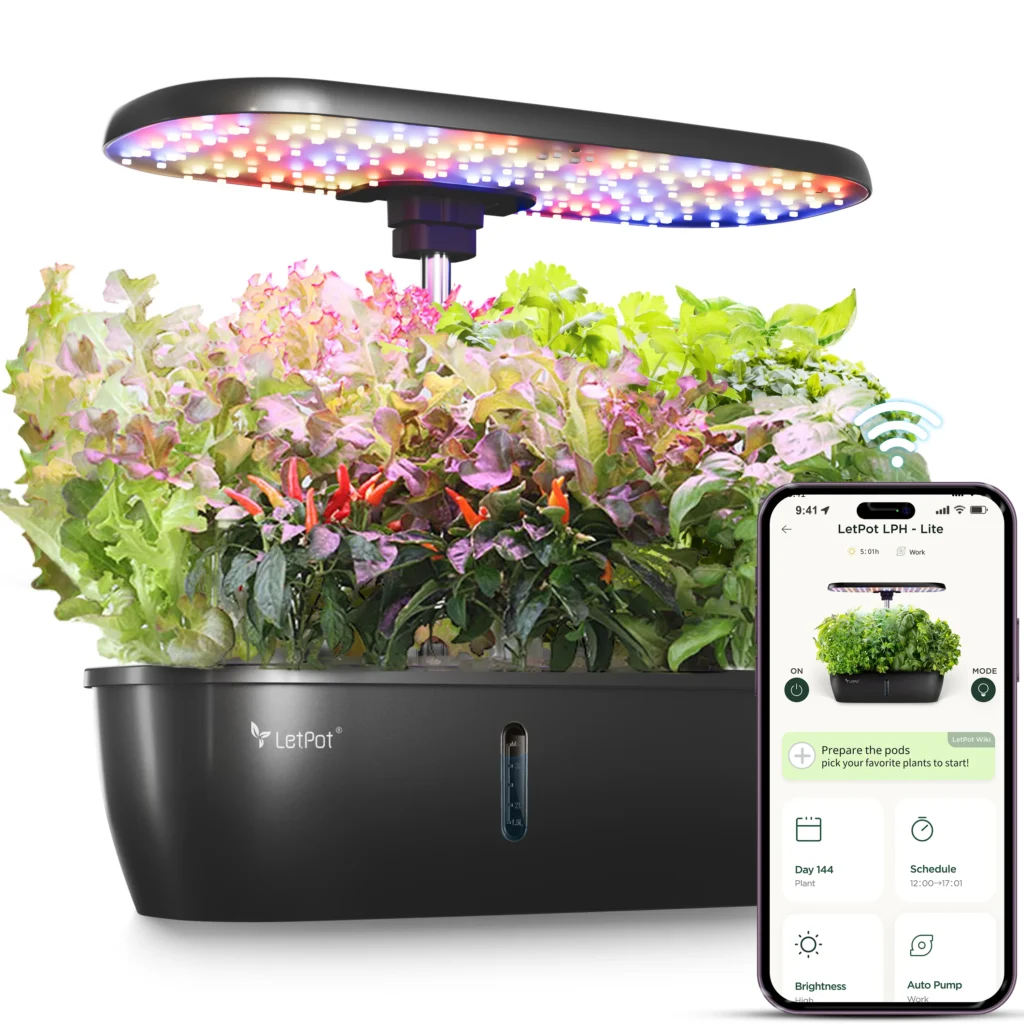
The biggest reason hydroponics works so well for beginners is balance. Plants aren’t overwhelmed with too much water or struggling to find nutrients in dry soil. Everything is steady and consistent, which naturally leads to better growth.
Here’s why hydroponics feels easier than soil gardening:
1. Faster, Healthier Growth
Plants growing in mineral-enriched water receive nutrients instantly. There’s no waiting for soil to break down or inconsistent hydration levels. Everything is delivered in the exact amount needed.
2. Clean and Minimalist
Hydroponics fits right into a tidy home. No messy bags of soil, no dirt stuck under fingernails, no guesswork about pot drainage. Everything looks sleek and organized—especially systems designed as countertop hydroponic gardens.
3. Works in Any Home Size
Hydroponic gardening is incredibly popular for apartment spaces because compact gardening systems don’t need windows or outdoor areas. LED grow lights create the perfect environment anywhere.
4. Year-Round Indoor Food Production
Since hydroponic plants don’t rely on seasons, you can grow herbs, greens, and vegetables any time of the year. It’s perfect for creating a steady indoor supply of fresh produce.
5. Perfect for Beginners
Hydroponic kits eliminate the most difficult parts of gardening—watering schedules, soil compaction, nutrient deficiencies, and light issues. Everything is controlled, predictable, and designed to help new gardeners succeed.
If there’s ever been a beginner-friendly entry into gardening, hydroponics is it.
Understanding the Basic Parts of a Hydroponic System
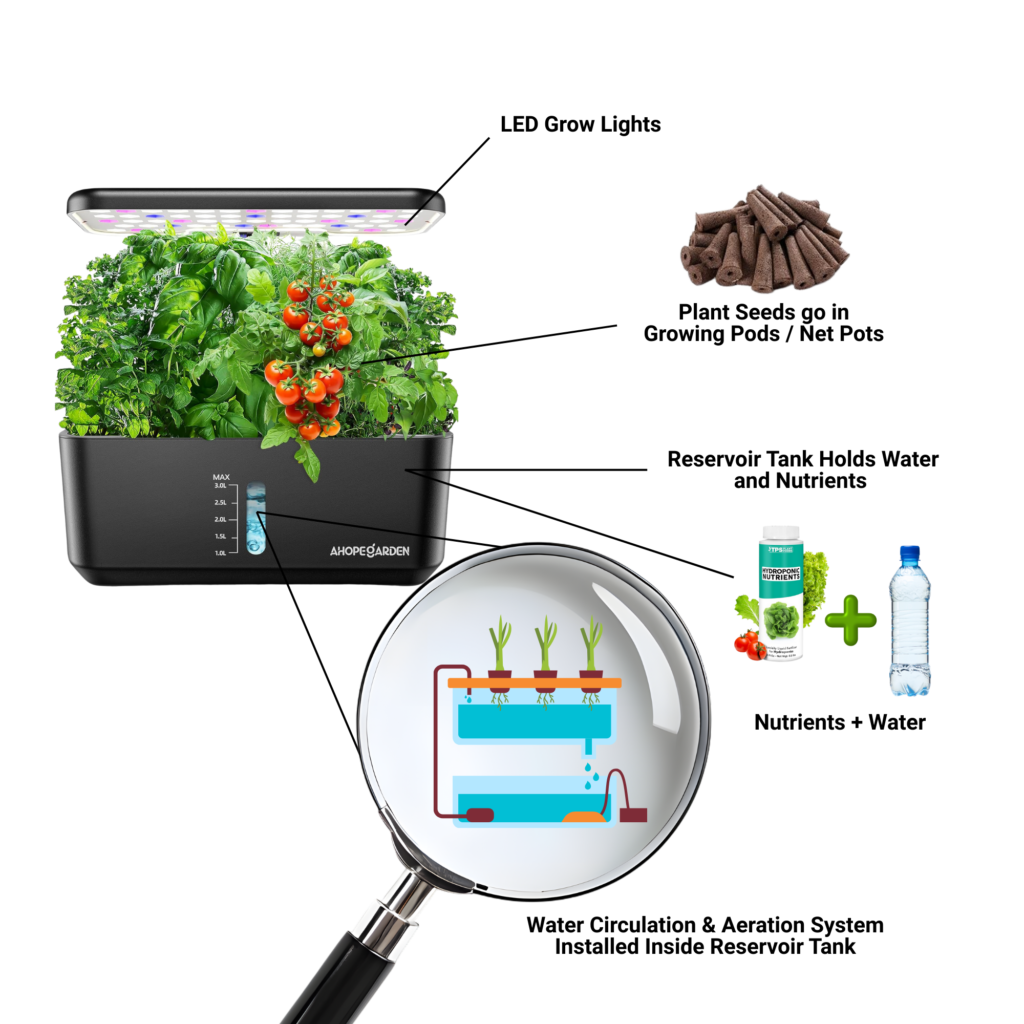
Hydroponic systems come in different shapes and sizes, but most beginner setups share the same core components. Knowing what each part does makes the whole process feel much simpler.
1. Reservoir Tank
The container that holds the nutrient-dense water your plants live in.
2. Growing Pods / Net Pots
Instead of soil, plants are supported in pods filled with soilless growing media like rockwool or coco coir.
3. Water Circulation or Aeration
Some systems use pumps to move oxygen through the water. Others are passive.
4. LED Grow Lights
These mimic the sun and provide the full spectrum of light needed for indoor plant cultivation.
5. Nutrients
Hydroponic nutrients replace the minerals plants normally absorb from soil.
Once you know these five pieces, almost any indoor hydroponic garden becomes easy to understand.
The Best Beginner Hydroponic Systems (Based on Real Experience)
You don’t need a complicated setup to get started. Beginner hydroponic kits are intentionally designed to make everything simple, clean, and fast. Here are three reliable options from Amazon US that actually work for beginners:
1. AeroGarden Harvest Lite in Cherry Red
This compact smart hydroponic system includes automatic reminders, height-adjustable LED lights, and pre-seeded pods. It’s perfect for growing herbs or leafy greens on a kitchen counter.

2. iDOO 12-Pod Hydroponics Growing System
This is a great beginner-friendly setup with space for multiple plants, built-in water circulation, and bright full-spectrum lighting.

3. Back to the Roots Water Garden
A small, low-maintenance system perfect for growing microgreens or herbs. Clean, minimal, and perfect for beginners who want something small.

These fit beautifully into an apartment, office, or kitchen corner and make indoor hydroponics easy and stress-free.
How to Set Up Your First Hydroponic Garden
Even though every system is a little different, the steps stay pretty consistent. Hydroponics feels complicated until you see how simple the setup actually is.
Step 1: Choose Where the System Will Go
Find a flat surface with an outlet for the grow lights. A kitchen countertop or dining room shelf works perfectly.
Step 2: Assemble the System
Most hydroponic kits snap together easily. Expect less than fifteen minutes of assembly.
Step 3: Fill the Reservoir
Use filtered water for the best results. Add the nutrient solution according to the instructions to create the mineral-rich hydroponic mix.
Step 4: Insert Seed Pods
Place pods into the openings. Many beginner kits come with herbs like basil, mint, or curly parsley because they germinate quickly.
Step 5: Turn On the Grow Lights
Most systems automatically run grow lights for 14–16 hours each day. This simulates daylight and keeps plants growing strong.
Step 6: Monitor Water Levels
Check the reservoir once a week and top off as needed. The system handles the rest.
Step 7: Watch the Growth Kick In
Hydroponic plants grow fast. Within a couple weeks, you’ll see visible changes every day.
The Easiest Plants for Hydroponic Beginners
Certain plants adapt extremely well to water-based growing systems, which makes them ideal when you’re first starting out.
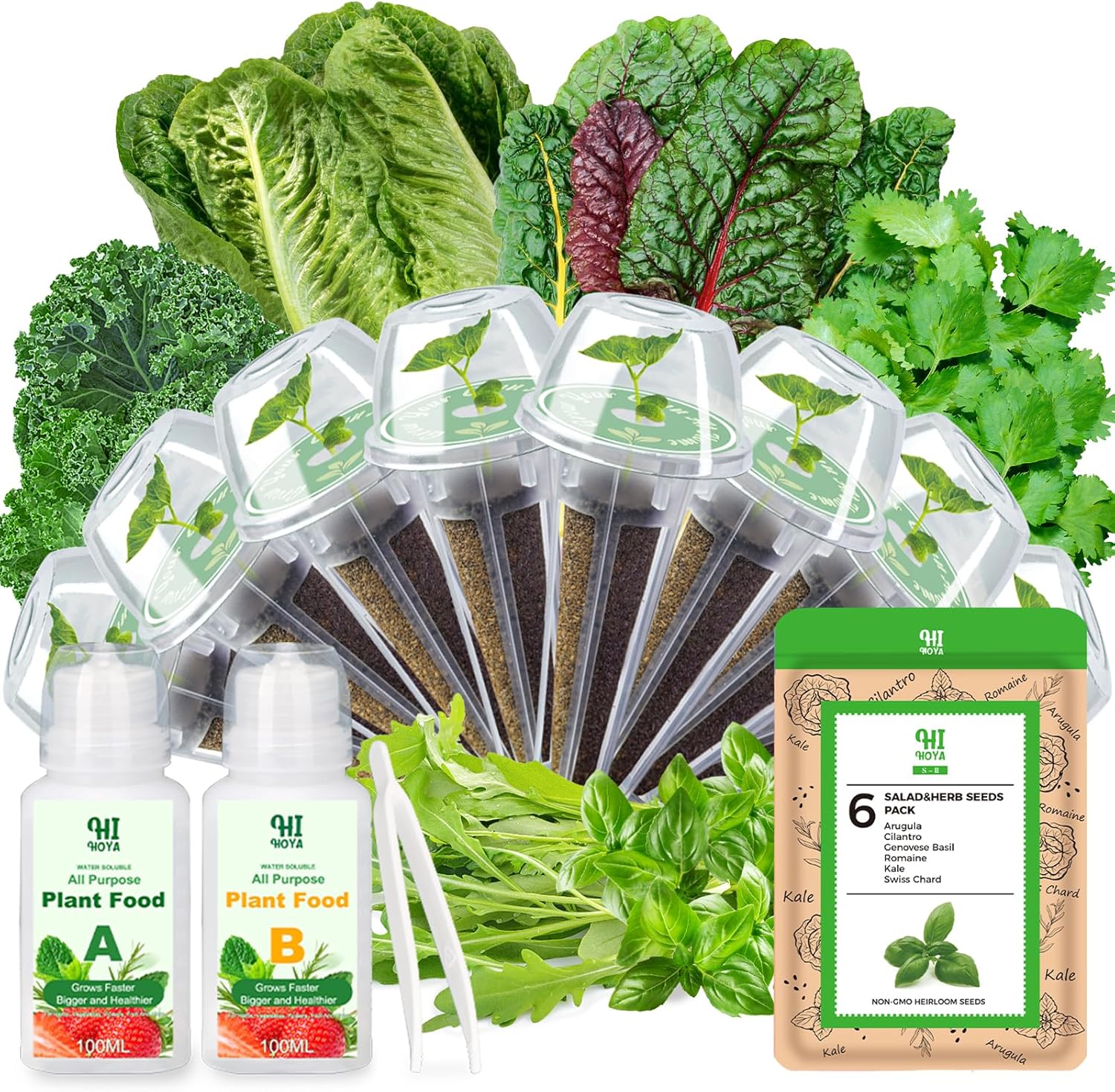
Leafy Greens
These grow quickly and thrive with consistent hydration:
• Lettuce
• Spinach
• Arugula
• Bok choy
Herbs
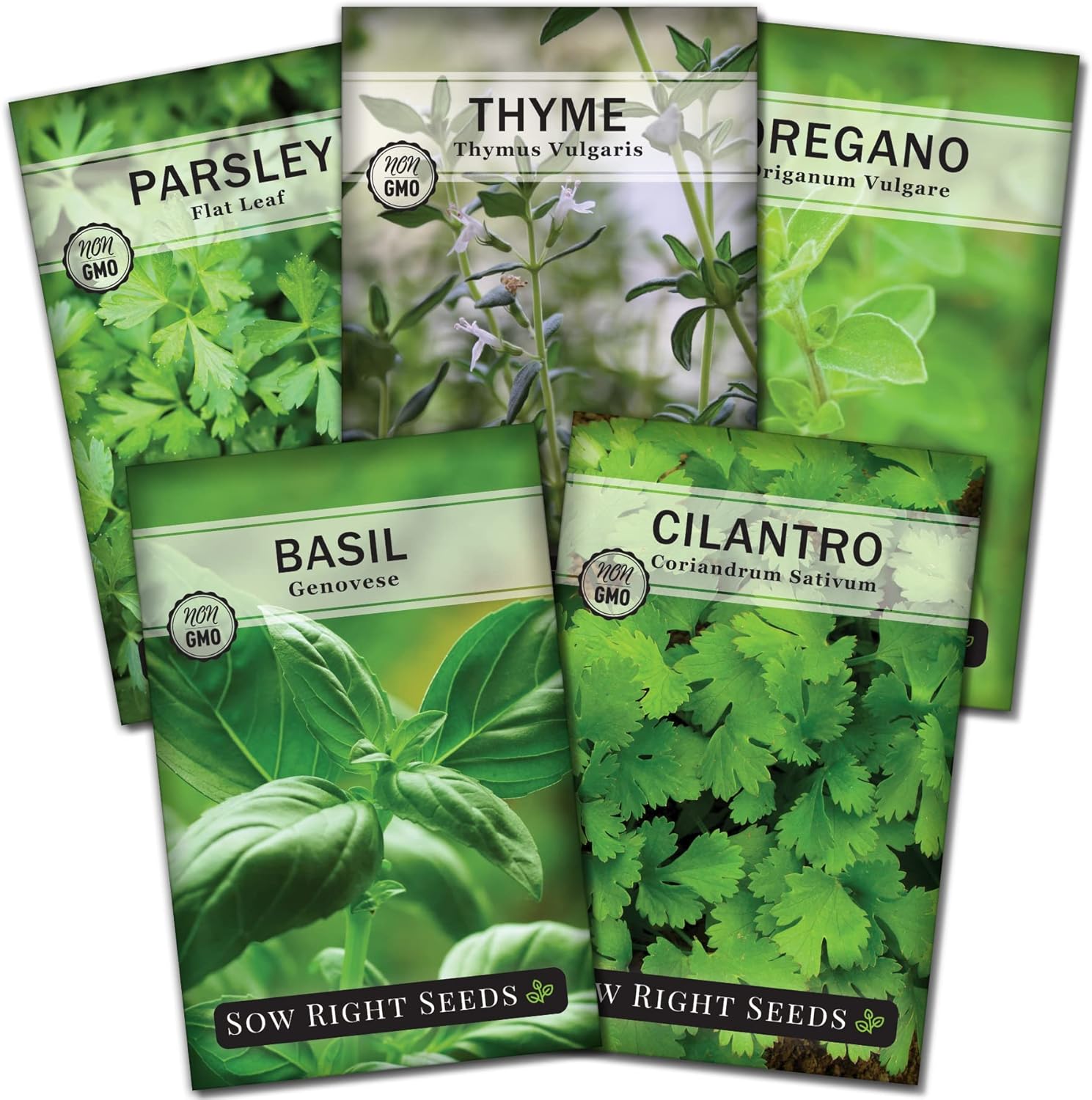
Perfect for kitchen counters and everyday cooking:
• Basil
• Parsley
• Mint
• Dill
• Cilantro
Small Fruiting Plants
Great once you’re comfortable with the basics:
• Cherry tomatoes
• Jalapeño peppers
• Strawberries

Almost every indoor hydroponic kit supports these plants easily.
Why Plants Grow Faster in Hydroponics
If you’re used to traditional gardening, the speed of hydroponics feels almost unreal. Leaves appear faster. Plants double in size within days. You’ll harvest much earlier than you would with soil.
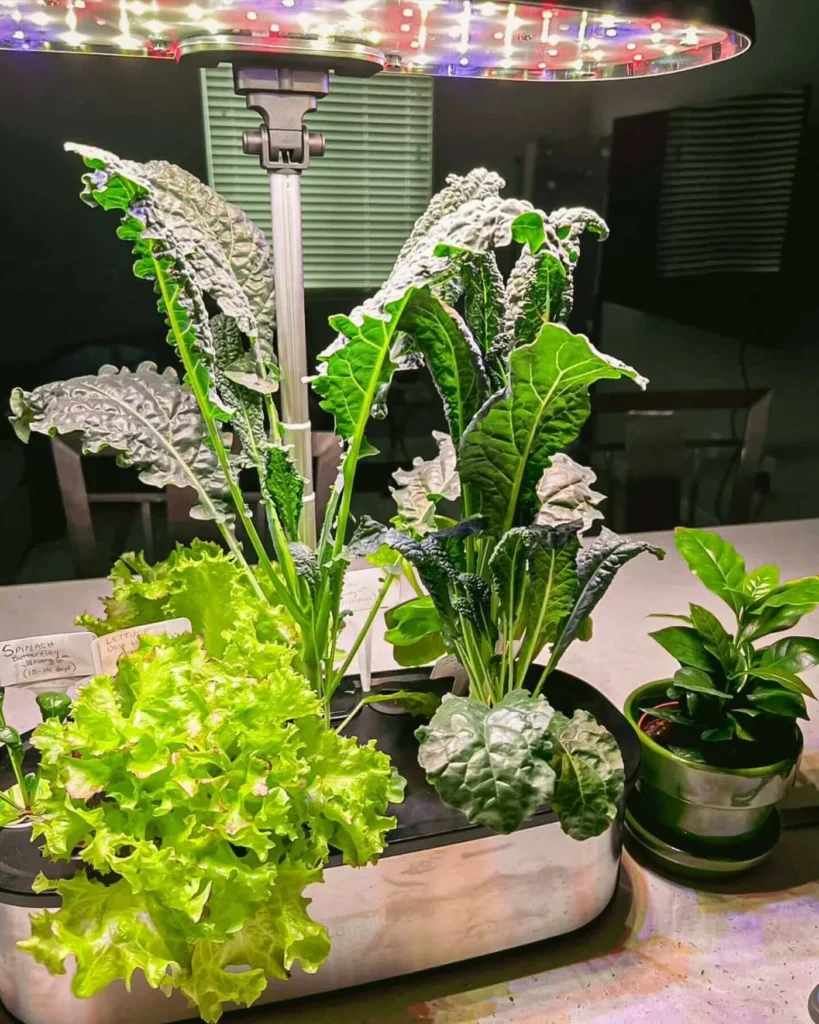
Here’s why:
1. Constant Access to Nutrients
Roots don’t have to search for minerals in soil. Everything they need is dissolved in the nutrient solution.
2. Balanced Water Levels
Plants are never dehydrated or overwatered. The conditions stay consistent.
3. Better Oxygen Flow
Roots receive oxygen from the water or via aeration pumps, increasing growth speed.
4. Ideal Lighting Conditions
LED lights create the perfect indoor gardening environment, especially for spaces that don’t get enough natural light.

Hydroponic systems essentially remove all the variables that slow down plant growth.
Common Beginner Mistakes (That Are Extremely Easy to Avoid)
Even though hydroponics is simple, beginners often make the same avoidable mistakes.
1. Using Hard Tap Water
High mineral content can disrupt nutrients and pH levels. Filtered water is best for low-water growing methods.
2. Adding Too Many Nutrients
More nutrients don’t equal faster growth. Too much causes nutrient burn and yellowing leaves.
3. Letting Light Hit the Water
This can trigger algae. Keep the reservoir covered and clean.
4. Putting Grow Lights Too Close
LEDs are strong. Plants need enough distance to avoid leaf bleaching.
5. Not Cleaning the System
A quick clean every few weeks prevents algae, residue, and bacteria buildup.
6. Growing Complicated Plants Too Soon
Start with herbs and greens before trying larger plants like cucumbers or big tomato varieties.
Troubleshooting the Most Common Issues
When something doesn’t look right in a hydroponic garden, the fix is usually simple.
Yellow Leaves
Often caused by incorrect nutrient levels or low light.
Slow Growth
Check that the water temperature stays cool, and make sure lights run long enough each day.
Brown Roots
Healthy roots should stay white. Brown indicates heat or low oxygen—add aeration or lower water temperature.
Algae
Wipe the system, reduce light exposure, and keep pods covered.
Hydroponics is extremely forgiving, and most issues resolve quickly.
The following helpful video from the Channel: Everything Hydroponics explains Hydroponic Troubleshooting – Vital Tips for Overcoming Common Issues.
Why Hydroponics Works So Well in Modern Homes
As living spaces get smaller and routines get busier, hydroponics fits into a lifestyle where convenience matters. You don’t need outdoor space, gardening experience, or time to constantly care for plants. Everything is tidy, controlled, and surprisingly aesthetic.
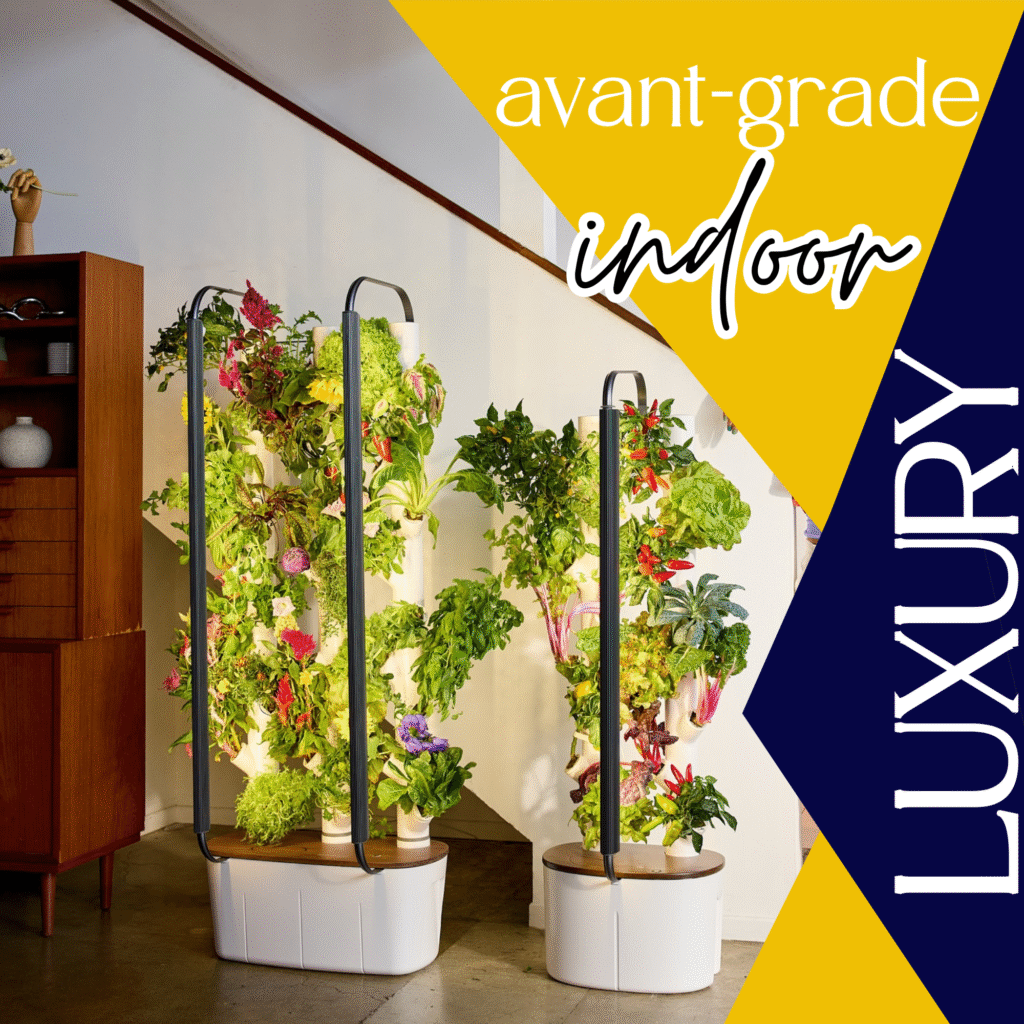
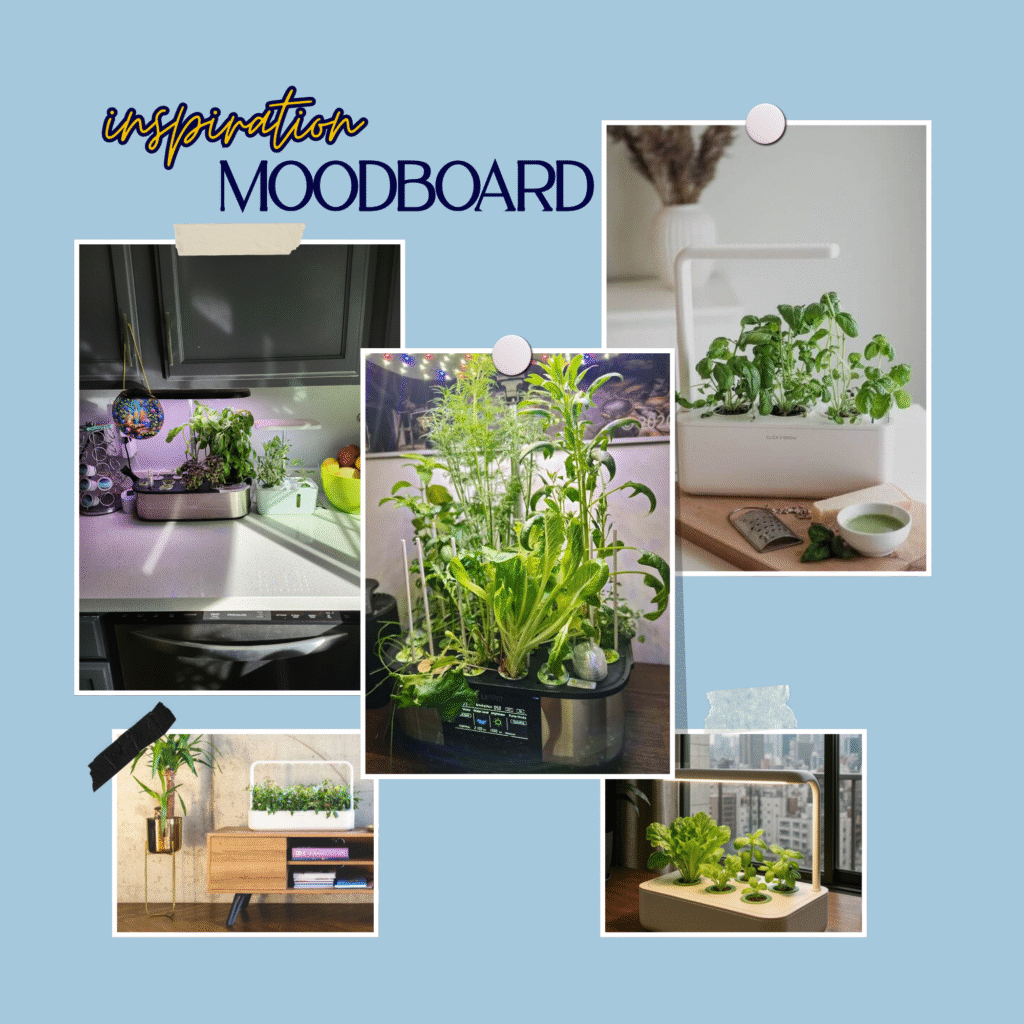
Some systems even double as small decor pieces—sleek LED lights, clean lines, and greenery that instantly brightens a room.
Hydroponics is ideal for:
• small apartments
• kitchen countertop gardening
• modern minimalist homes
• creating a year-round herb supply
• people new to plant care
• anyone wanting modern indoor agriculture without the mess
It turns gardening into something manageable, clean, and stylish instead of overwhelming.
Final Thoughts
Hydroponic gardening is one of the easiest and most satisfying ways to grow plants indoors. The systems are clean, compact, beginner-friendly, and perfect for anyone who wants a low-maintenance way to bring greens into their home.
There’s no soil to deal with, no overwatering mistakes, and no stress over lighting. Everything is balanced for you. Whether you’re growing herbs on your kitchen counter, starting your first indoor smart garden, or slowly expanding into greens and vegetables, hydroponics makes the entire process simple.
If the goal is to create a home that feels calm, intentional, and filled with fresh greenery, hydroponic gardening is the most realistic place to start.
Frequently Asked Questions
-
Is hydroponic gardening hard for beginners?
Hydroponic gardening looks technical from the outside, but it’s surprisingly beginner-friendly once the basics are in place. Most first-time growers start with a compact indoor hydroponic system because everything—from the LED grow lights to the nutrient-rich water tank—comes pre-assembled. The learning curve is mostly about keeping water topped off, checking nutrient levels, and giving plants the right amount of light. With a beginner kit, it feels less like a science experiment and more like a simple, modern way to grow fresh food at home.
-
What supplies do I need to start hydroponics at home?
A basic setup usually includes a reservoir, growing pods, a water pump, and a full-spectrum grow light. If you’re building a system from scratch, you’ll also need growing media, hydroponic nutrients, and a small pH testing kit to keep water conditions balanced. Most entry-level systems—like countertop gardens—already include these pieces so you can skip the heavy research and start growing right away.
-
How often do I change water in a hydroponic garden?
Most growers swap out the water every 1–2 weeks to keep plants healthy and prevent issues like root rot or algae buildup. When the water becomes cloudy or the nutrient balance feels off, a fresh refill helps reset everything. Smaller indoor systems may need more frequent attention simply because the tank is smaller and plants absorb nutrients quickly.
-
Do hydroponic plants grow faster than plants in soil?
Yes—hydroponic plants typically grow faster because they receive nutrients directly in water instead of searching for them in soil. This direct-to-root feeding speeds up growth and often leads to fuller, more consistent harvests. The combination of controlled lighting, steady hydration, and oxygenated water creates an ideal environment for year-round indoor gardening.
-
What are the best plants for beginners to grow hydroponically?
Leafy greens are always the easiest place to start. Lettuce, basil, spinach, cilantro, and mint do exceptionally well in small hydroponic systems. Cherry tomatoes, mini peppers, and dwarf varieties of cucumbers are next-level options once you understand the basics. Most beginner hydroponic kits include seed pods for these fast-growing plants because they’re reliable and forgiving.
-
Do I need grow lights for hydroponics?
If your garden is indoors, then yes—LED grow lights are necessary. Plants need a consistent light cycle, especially when grown without natural sunlight. Modern lights use very little electricity, stay cool to the touch, and produce a full spectrum that supports all stages of plant growth. One of the biggest perks of indoor hydroponic gardening is being able to control lighting with a simple timer.
-
What causes yellow leaves in hydroponic plants?
Yellowing leaves can come from several things: low nutrients, too much light, not enough light, or an incorrect pH balance. Most beginners run into this when they forget to check the nutrient water or when the grow light is placed too close. A quick adjustment usually brings plants back to normal. This is why having a pH kit and following your system’s feeding schedule makes a huge difference right from the start.
-
Is hydroponic gardening expensive to maintain?
It doesn’t have to be. After the initial purchase of a starter kit, the only recurring costs are liquid nutrients, replacement seed pods, and occasionally new growing media. Since hydroponic systems use low-water methods, they’re typically cheaper to run than traditional soil gardens that rely on frequent watering.
-
How do I keep pests away in a hydroponic setup?
Indoor hydroponic gardens naturally avoid most outdoor pests, but you might occasionally see gnats or aphids. Keeping the area clean, wiping down the system between planting cycles, and using plant-safe pest sprays helps maintain a healthy environment. Because there’s no soil, many common pests simply have nowhere to live or breed.
-
Can hydroponic gardens produce food all year long?
Yes—this is actually one of the biggest benefits. With a controlled setup, year-round food production becomes completely normal. As long as the water, light, and nutrients stay balanced, plants keep growing continuously. This makes hydroponics perfect for apartments, cold climates, or anyone who wants a steady supply of fresh herbs and vegetables without worrying about seasons.
-
How much electricity do small hydroponic systems use?
Countertop hydroponic gardens typically use the same electricity as a small lamp. The LED grow lights are energy-efficient, and the pumps run on short cycles instead of staying on full-time. It’s one of the reasons compact systems are so popular for indoor plant cultivation—they’re low-maintenance and low-cost.
-
Can I grow fruiting plants like tomatoes or strawberries hydroponically?
Absolutely. Plants like tomatoes, peppers, strawberries, and even small cucumbers thrive in nutrient-rich water systems. They do require stronger lighting and more nutrients than herbs or greens, but once the balance is right, these plants grow beautifully indoors. Many growers enjoy experimenting with fruiting plants once they feel comfortable with the beginner setup.
-
How do I know when to harvest hydroponic plants?
Hydroponic plants usually grow faster than soil-grown plants, so harvest times tend to come earlier. Lettuce leaves can be trimmed when they reach full size, herbs can be harvested continuously, and fruiting plants show obvious signs like ripening colors or firm texture. The benefit of controlled indoor agriculture is how consistently plants develop.
-
Do hydroponic gardens attract mold or bacteria?
Only if they’re neglected. Regular cleaning, good airflow, and changing the water prevent almost all mold-related issues. Most beginner systems are built with smooth, easy-to-clean parts so that maintenance stays simple. A quick wipe-down between planting cycles is usually all that’s needed.
-
Is hydroponic gardening sustainable?
Yes—many growers choose hydroponics because it uses less water, grows food faster, and reduces waste from spoiled soil. It’s a popular option for sustainable urban farming, especially in small apartments or city homes. Since hydroponics uses up to 90% less water than traditional gardening, it’s considered one of the most efficient modern indoor agriculture methods.